Copy of The Psychology of Trading: Rationality vs. Emotion
- Brian E.
- Mar 4, 2025
- 1 min read

|
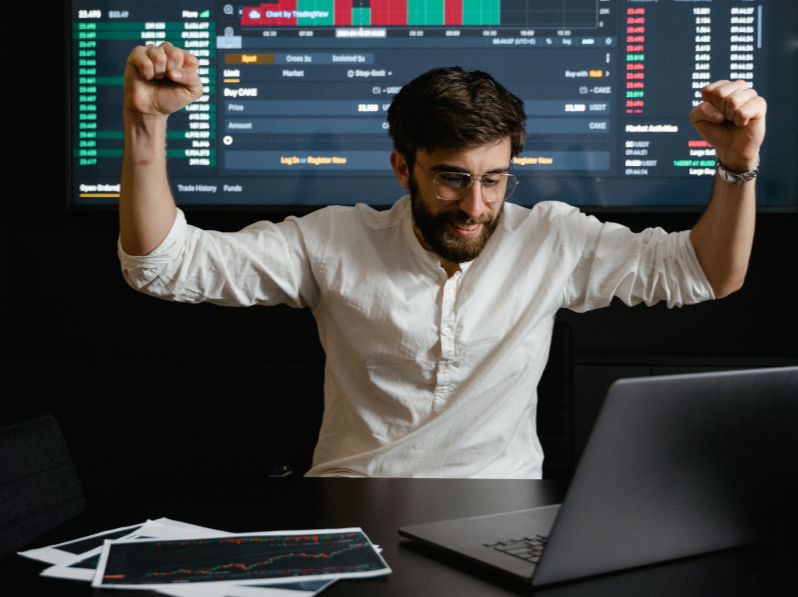
Trading appears technical, but psychology is the key determinant of success. Despite automation, human emotions and biases drive market behavior.
Cognitive Pitfalls in Trading
Traders assume they act rationally, but behavioral finance proves otherwise. Kahneman and Tversky’s research shows loss aversion leads traders to hold onto losses too long and sell winners too quickly. Barberis and Thaler (2003) confirm this irrational behavior is widespread.
Emotion’s Role in Market Decisions
Fear and greed fuel market cycles. Lo, Repin, and Steenbarger (2005) found emotional responses correlated with poor trading performance. Heightened physiological responses in volatile markets demonstrate how emotions influence decisions.
The Power of Discipline
Successful traders mitigate emotions through strict risk management, journaling, and structured plans. Lo’s adaptive markets research (2012) links discipline to resilience, akin to cognitive-behavioral techniques. Stop-loss orders and trading routines improve outcomes.
Statistical Insights
FXCM (2015) found retail traders win more than 50% of trades but lose more due to poor risk management. Odean (1999) showed overconfident traders underperform by trading excessively—a manifestation of the Dunning-Kruger effect.
Conclusion: Mastering the Inner Market
Success in trading requires mastering one’s mind. Recognizing biases, enforcing structure, and maintaining resilience separate top traders from the rest. The markets and the mind are equally unforgiving—only the disciplined thrive.

Amazing insights on a really crucial topic!